Warehouse: Choosing a Professional and Friendly One
Warehouse: Choosing a Professional and Friendly One
Choosing the right warehouse can shape the success of your business. A good one keeps your goods safe, supports your team, and creates a smoother workflow. Even more, the right environment builds trust and helps your business grow. Below, we break down the process into three clear parts to make the search easier.
Part 1: Understanding What You Truly Need
Before choosing a warehouse, it helps to understand what your business needs most. Many companies rush this step, yet it often becomes the key to a smart decision. Start by looking at your products. Some goods need temperature control. Others need secure storage or special handling. When you know what your products require, you can narrow your choices much faster.
Next, think about your daily activity. For example, ask how often orders ship out. Some companies need steady movement all day long. Others move goods in larger bursts. A warehouse with flexible space and a simple layout can support both. This helps your team stay efficient without feeling stressed.
Additionally, location plays a major role. A warehouse close to your customers reduces delivery time. It also reduces fuel use and lowers shipping costs. These small savings add up and help your business stay competitive. Because of this, it is worth taking extra time to explore different areas before making a choice.
Part 2: Important Features That Make a Warehouse Professional and Friendly
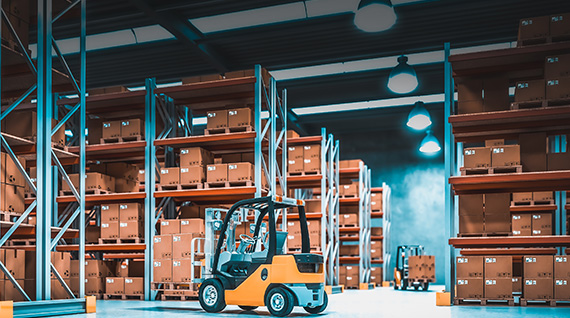
Once you understand your needs, it becomes easier to focus on features that matter most. A professional warehouse will have strong safety measures. Clear signs, wide aisles, and well‑marked zones help prevent accidents. Bright lighting also makes a big difference because teams can work with confidence.
A friendly warehouse environment also boosts productivity. For example, helpful staff and open communication make daily tasks smoother. When workers feel respected and supported, they move faster and make fewer errors. This creates a positive cycle that benefits the entire company.
Technology plays a major role as well. Simple tools like barcode scanners or real‑time status boards keep everything organized. These tools reduce mistakes and save time. They also help teams track goods with ease. Furthermore, a warehouse with a clean and well‑kept space creates a calm setting. This makes work feel more welcoming and less stressful.
Finally, flexible services can set a warehouse apart. Some offer packing, labeling, or small assembly work. Others can adjust space as your business grows. This level of support helps you stay ready for changes and reduces the need for major upgrades later.
Part 3: How to Make a Confident and Smart Warehouse Choice
After reviewing features and needs, the next step is choosing the best warehouse for your business. A simple way to start is by visiting the location in person. Walking through the space helps you see how the team works. It also gives you a sense of the overall environment. Even small details, like how workers communicate, can tell you a lot.
Next, compare costs with the value offered. A lower price may look appealing, but it might mean fewer services. On the other hand, a warehouse with clear processes, updated equipment, and helpful staff often delivers more value over time. Because of this, it helps to think beyond the monthly fee.
You should also ask about future support. A good warehouse partner stays flexible. They listen to your needs and adjust when business levels change. This type of partnership creates stability and reduces stress during busy seasons.
Finally, trust your instincts. A professional and friendly warehouse feels safe, organized, and easy to navigate. When you leave the tour feeling confident, it is usually a sign you found the right fit. With the right choice, your business gains a strong foundation for growth.