Deadly Warehouse Safety Risks to Fix Now!
Part 1: Most Common Warehouse Safety Risks
Warehouses are busy places. Every day, workers move goods, operate machines, and meet tight deadlines. Because of this, risks can build up quickly. However, most safety issues are not random. Instead, they follow clear patterns.
By understanding these risks, you can take simple steps to reduce them and protect your team.
1. Forklift Accidents
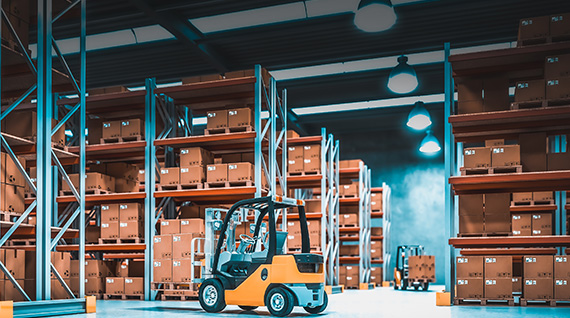
First, forklifts are one of the biggest risks in any warehouse. They are heavy, fast, and used all day long.
When operators rush or skip steps, problems happen. For example, turning too fast or carrying a high load can cause tipping.
Common causes include:
- Lack of proper training
- Driving too fast
- Blocked visibility
- Poor traffic flow in aisles
As a result, these accidents can lead to injuries, damaged goods, and delays. Therefore, strong forklift safety practices are essential.
2. Safety: Slips, Trips, and Falls
Next, slips and falls happen more often than many people expect. Even small hazards can cause big problems.
For instance, a bit of shrink wrap on the floor or a wet spot can quickly lead to an injury.
Main causes include:
- Spills that are not cleaned up right away
- Cluttered walkways
- Poor lighting
- Uneven surfaces
Because these issues are easy to fix, regular checks make a big difference. In other words, good housekeeping improves safety right away.
3. Falling Objects
In addition, warehouses often store items high above the ground. While this saves space, it also adds risk.
If items are not stacked well, they can fall. This is especially dangerous in areas with high foot traffic.
Typical causes include:
- Overloaded racks
- Damaged pallets
- Poor stacking methods
- No barriers or guards
For this reason, proper storage rules are key to keeping workers safe.
4. Safety: Manual Handling Injuries
Even with modern tools, workers still lift and move items by hand. Over time, this can lead to injury.
For example, lifting with poor form can strain the back or shoulders. Also, doing the same task again and again can cause long-term pain.
Common injuries include:
- Back strain
- Muscle pulls
- Repetitive stress injuries
To reduce these risks, training and simple tools can help a lot. As a result, both safety and productivity improve.
5. Equipment-Related Hazards
Modern warehouses rely on machines. While these tools help speed up work, they also bring new risks.
For instance, moving parts can trap hands or clothing if guards are missing.
Key concerns include:
- Pinch points
- Poor maintenance
- Missing safety guards
- Improper shutdown procedures
Therefore, regular inspections and clear rules are important for safe operation.
6. Fire and Chemical Hazards
Finally, some warehouses store materials that can be dangerous. If not handled right, they can cause fires or health risks.
Risk factors include:
- Flammable items stored the wrong way
- Poor ventilation
- Missing labels
- Weak emergency plans
Because of this, clear procedures and training are critical to warehouse safety.
Key Takeaway
Overall, these risks are common—but they are also preventable. With the right steps, you can reduce hazards and create a safer workplace.
👉 Next: How to turn awareness into action by building a strong safety culture.