Software & Manpower, the Force of Powerful Connections
People and Software Working Together
Software plays a major role in today’s warehouses by helping people work better together. Systems such as Manhattan WMS and Oracle Warehouse Management give workers clear tasks and guidance. For example, scanners and screens show where to go and what to move. As a result, workers waste less time and feel less stress. In addition, clear tools help teams trust the process and stay focused during busy shifts.
How It That Guides Daily Warehouse Work
Good Software turns complex warehouse jobs into clear and simple steps. Tools like SAP EWM or Blue Yonder WMS help plan pick paths and track stock in real time. For instance, a worker can scan an item and see instant results. Therefore, errors drop and speed improves. Moreover, these systems help new workers learn faster because each task is easy to follow.
Manpower That Brings Systems to Life
However, software alone cannot run a warehouse. Skilled workers bring judgment, care, and teamwork to the floor. For example, even when Infor WMS assigns a task, a worker may spot damage or a safety risk. As a result, problems stop early. In this way, manpower gives strength and meaning to every system in place.
A Bond That Creates Strong Results
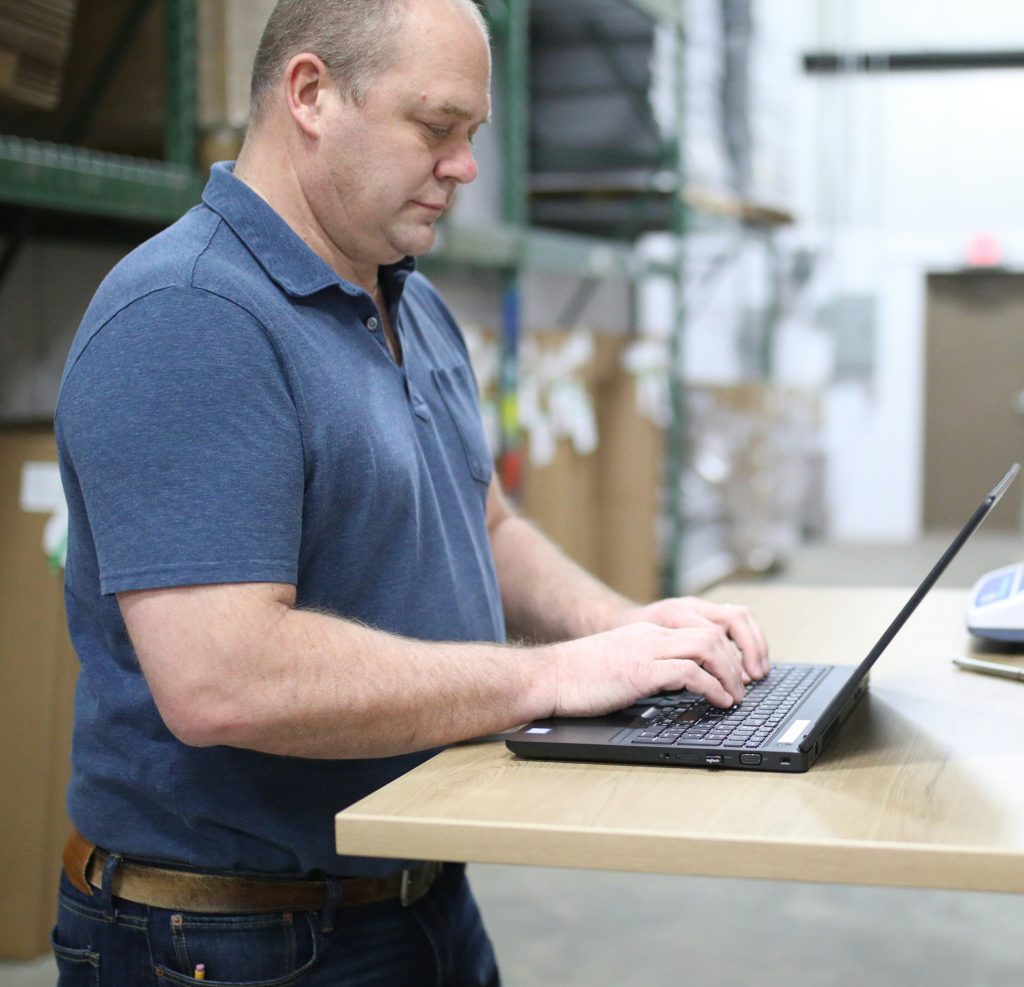
When Software and manpower work together, warehouses grow stronger and more flexible. Tools like NetSuite WMS set priorities and adjust work plans. At the same time, workers adapt when orders change or volumes rise. Therefore, work stays steady even during peak demand. Ultimately, this balance leads to safe work, fast shipping, and better service.
The Future of Warehouse Software and Technology
Looking ahead, future warehouse tech will support people even more. New software uses data, smart sensors, and simple automation to guide daily work. For example, systems may suggest better layouts or alert staff before stock runs low. As a result, workers can act sooner and plan better. In addition, future tools will stay easy to use, so people remain at the center of warehouse success.